


Credential Description
This course provides an opportunity to build confidence in math by reviewing/learning topics such as whole numbers, mixed numbers, decimals, fractions, integers, manipulation of algebraic expressions, solving equations, along with measurement and geometry. A specifically designed course for those who have intentions of working in a trade, where strong basic math and critical thinking skills can help seamlessly transition into the workforce.
What You’ll Learn
What You’ll Earn
Upon successful completion, you’ll earn a digital badge that can be shared on your LinkedIn profile, digital resume, or portfolio. Your badge will include details of the competencies you’ve mastered, giving employers a visual verification of your newly acquired skills.
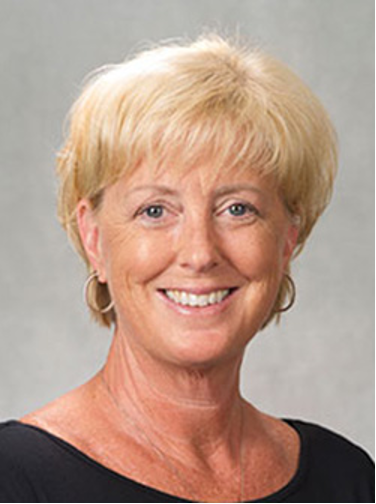
Sheryl Davis is a tenured Bradley University instructor and director of the university’s Center for Math Success. She has a background in the trades and grasps the integral relationship between mathematics and the trades.
Connect with Us
Career Pathways
With the Math for the Trades Certificate, you’ll be well-equipped to pursue, enhance, or pivot to roles that require data-driven decision-making, including:
These are just a few examples of career pathways for someone with a certificate in Math for the Trades. Further specialization, experience, and additional learning can open up more advanced opportunities in the trade industry.
“Math for the Trades was a fun yet challenging course that helped refresh my memory and learn new skills. The format of the class allows students to learn at their own pace but still pushes and challenges them to learn more… I strongly recommend anyone going into the trades to take it to learn more.” – Certificate Completer