


Game On: The Ins and Outs of a Great Game Design Program
In this Q&A with Game Design Program Head David Abzug, we discuss first games and getting noticed in the games industry.
What kind of game design degree has the most impact?
The best game design degrees are the ones that give you the most experience making games. You’ll find that many programs are more theory and history based, and those are wonderful for certain areas.
If your degree doesn’t have you making a minimum of eight games over the course of your four years, it’s the wrong kind of degree for getting a job in the industry.
What do you learn when you’re building your first games?
In building your first games, you learn the building blocks of game design, what types of tasks you like inside of game design, and how to work collaboratively on large teams.
Each area has its own job:
- Art’s job is making sure the game looks good.
- Programming’s job is making sure the game works.
- Design’s job is making sure the game’s fun.
- Production’s job is making sure the game actually gets finished.
- Quality Assurance’s job is keeping everyone honest.
One thing I tell my students is that most of the team’s job is to come up with the craziest ideas and test things that may be impossible to do. Production and the leads figure out which ones fit inside the vision and schedule for the game. On a well-run team, the team members are regularly suggesting things that don’t make it in because there are so many ideas being presented. You’ve got to divorce your ego from the idea. You can’t take it personally if something doesn’t make it in.
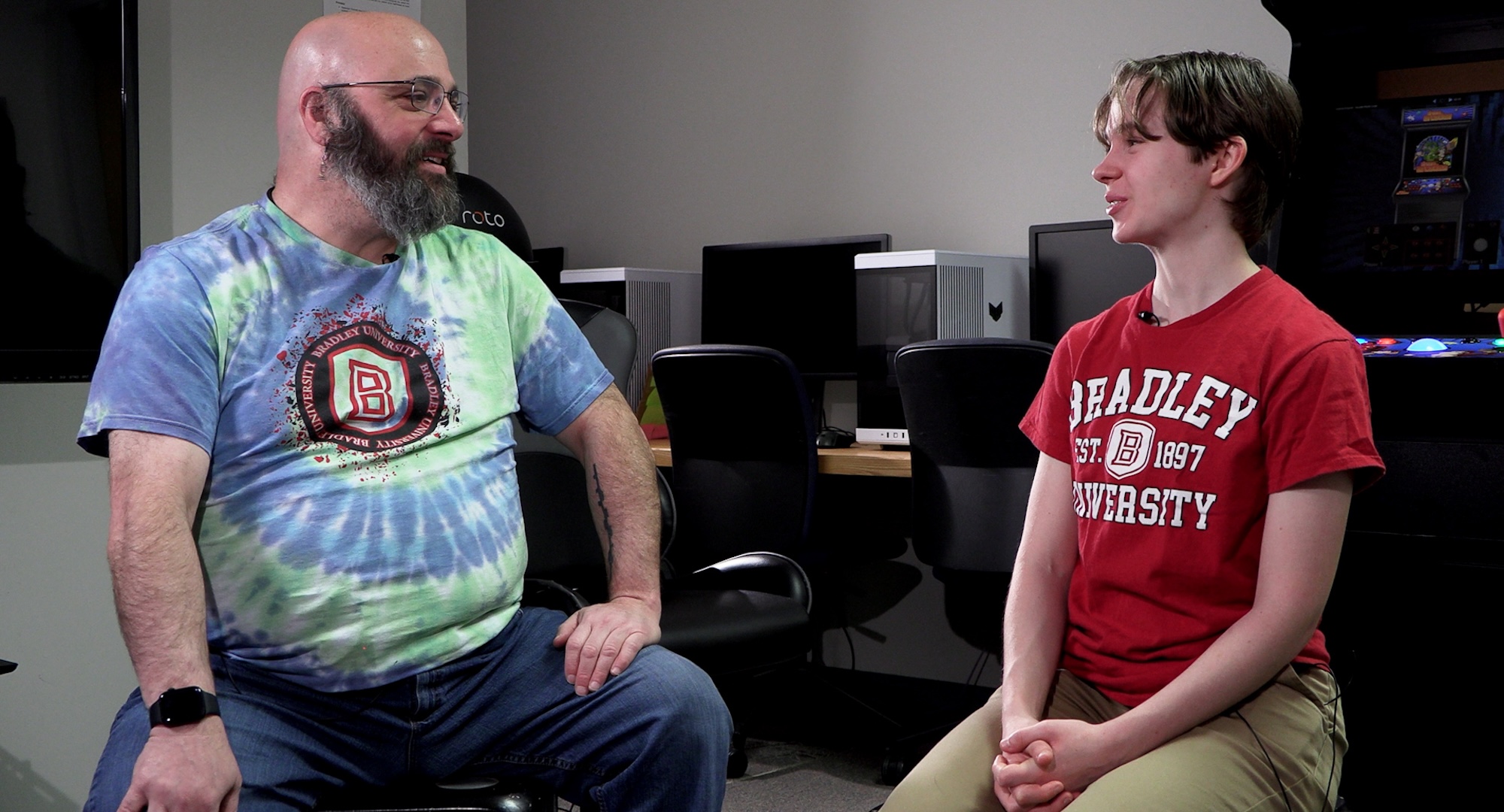
Check out the video below to delve deeper into Game Design at Bradley with Cade, a student from the program.
What can a student interested in a game design degree do today to start preparing for their studies and career?
Whether you’re in a program or not, make some games! Download GameMaker or Unity, find one of the thousands of tutorials out there for the different engines available, and start futzing around.
Game development is subjective. Game development is different every time you do it. That’s one of the things I love about it. It never gets boring. It gives you that same energetic feeling that live theater does, or live sports, where you only have this one chance, and all of you are pulling together to pull off this amazing thing. But the end result of that is you can’t learn it by talking about it. You can only learn it by doing it. So go out and do it!
I’ve had students that came in as first-years and had already been messing around with Unity for a year and had made a couple of games. Those students always excelled.
How do you build a game design portfolio to get noticed in the industry?
The first step in building an impactful portfolio is making a lot of games. But don’t put all of your games in your portfolio.
Let’s be honest, your first game’s going to suck large rocks through a thin straw sideways. That gives you the experience to make the next game, which gives you the experience to make the next game, etc. If your program is set up right, as you get further along, you start working on teams—game development is a very team-oriented exercise. The largest team I ever worked with in the industry was about 150 people; the largest one I’ve ever heard of was about 500.
Your best portfolios are going to showcase work that you’ve done on decent-sized teams, so detail the specific work you did to show your workflow, and always start with the most interesting project. If possible, have a link to a download of your game so they can play it. And last but not least, make sure the first five minutes of that game are incredible.
Five minutes of awesome beats 30 minutes of mediocre. If you make a five minute long game with incredible player communication, great visuals, enticing and emergent gameplay, and they get done and want more, you’ve done the job right.
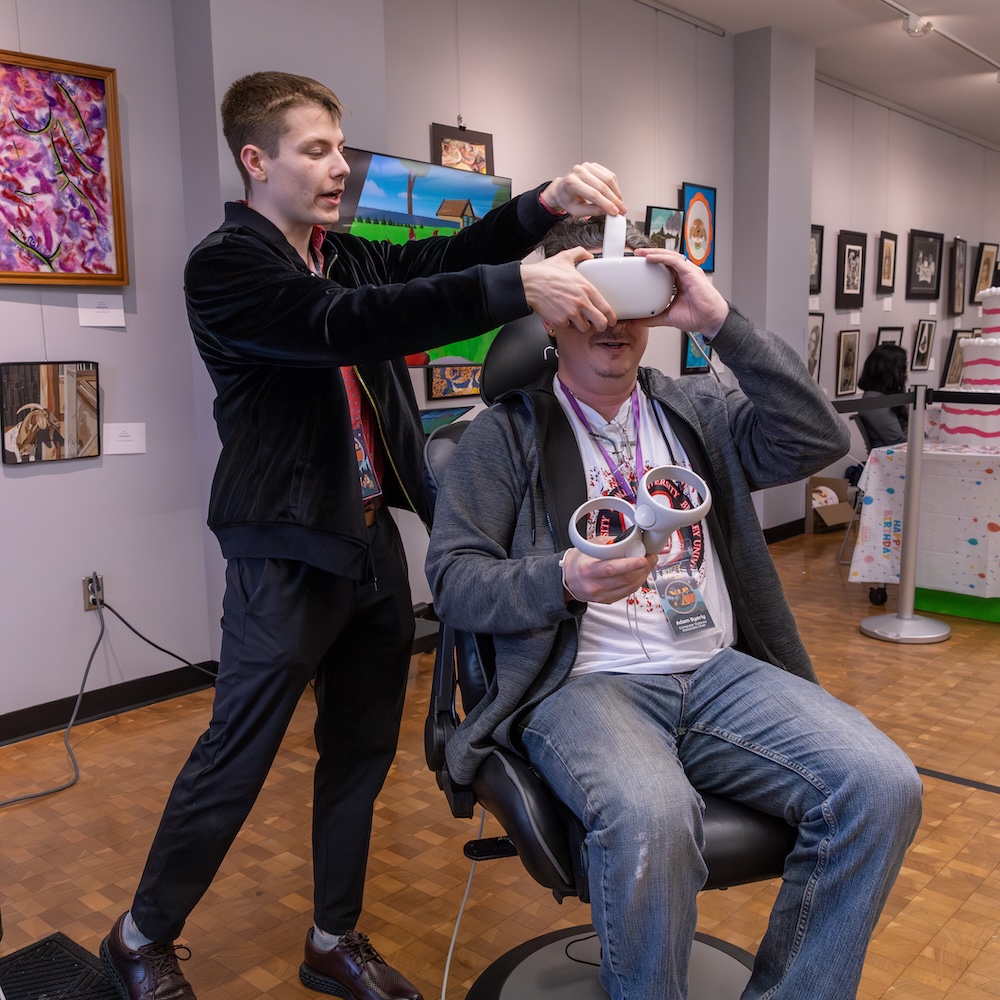
See more first-hand insights about the Game Design program at Bradley with the latest Visit Day experiences